Can Shoes Change the Way You Walk? A Tucson Perspective
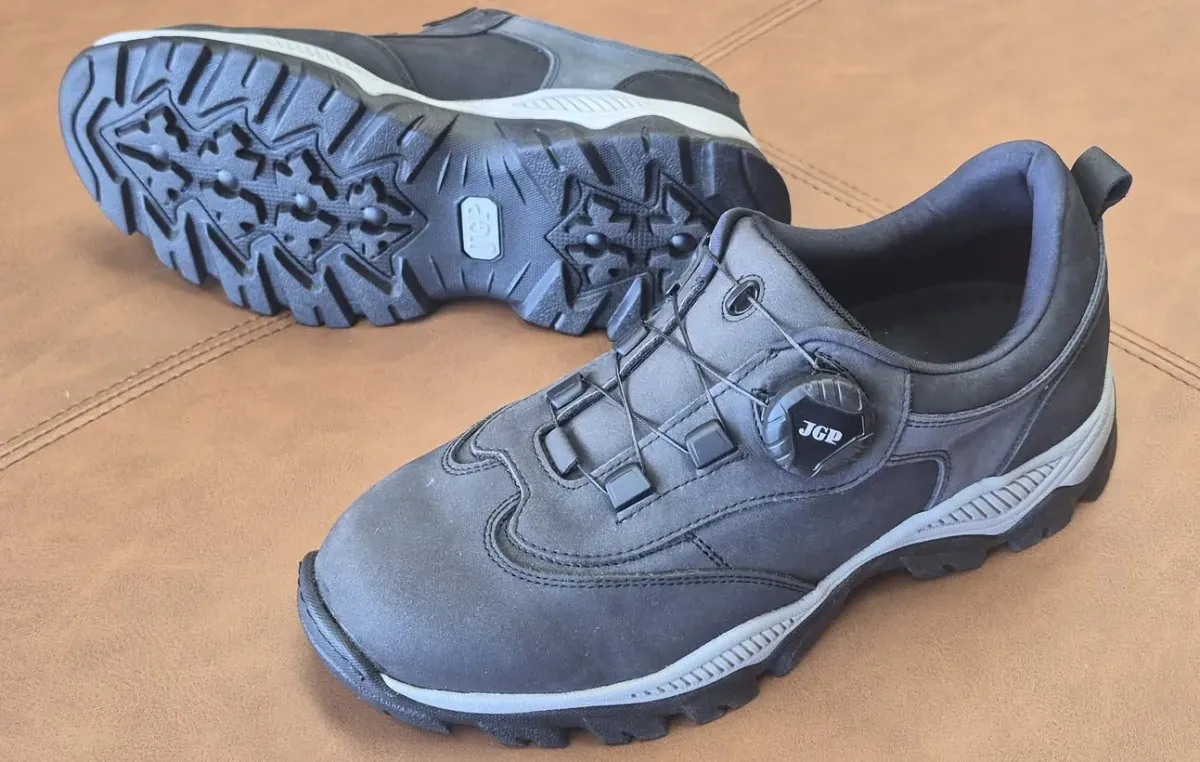
Can different shoes change the way you naturally walk? In an October 2 Facebook post, Geon, the shoe engineer at JGP USA in Tucson, explored that question through an everyday comparison and a walking study involving 33 adults. His message was simple: look beyond the first impression of softness and pay attention to how secure and comfortable you feel while moving.
The starting point was a familiar image: the small, cautious steps people take when crossing an icy sidewalk.
Why do we walk like penguins on ice?
When the ground feels uncertain, we often shorten our steps and slow down without anyone reminding us to do so. Now imagine footwear designed to grip that same surface. Feeling more secure could change how cautiously you move.
Geon used this example to ask a question about ordinary floors: could the footwear beneath us also influence the walking pattern we choose naturally? The ice comparison is an illustration of that question, not a claim that JGP shoes are designed for icy conditions.
What the comparison of 33 adults showed
According to Geon’s post, a biomechanics researcher compared 33 adults walking in their usual shoes with the same group walking in JGP footwear earlier in 2026. Participants chose their own comfortable pace. They were not instructed to speed up or lengthen their steps.
The post reported these group averages:
- Stride length: 48.9 inches in participants’ usual shoes and 52.3 inches in JGP footwear, a difference of about 3.4 inches.
- Walking speed: approximately 2.7 mph in their usual shoes and 2.9 mph in JGP footwear.
- Steps per minute: 114.9 in their usual shoes and 113.8 in JGP footwear.
A stride is a complete walking cycle, from one foot touching down until that same foot touches down again. It is different from a single step. In the comparison Geon described, the group covered more distance during each full cycle while choosing a slightly faster pace and taking slightly fewer steps per minute.
These are the figures reported in the original post. They describe an average for that group, not a prediction for every person or every JGP style. The post did not provide enough detail to assess the full study methods or long term outcomes. You can also explore the background presented on JGP’s Science page.
What to notice when trying a shoe
For Geon, the interesting part was that participants were not told to change their walk. That is why he encourages shoppers to consider more than how soft a shoe feels during the first few seconds of trying it on.
His post highlighted four things worth noticing:
- How securely the shoe holds your heel.
- Whether your toes have room to move naturally.
- How stable the base feels beneath you.
- How the overall fit feels when you walk at your normal pace.
The aim is not to force yourself into longer steps or to match a number from a study. It is to notice which footwear feels comfortable and secure for your own feet and activities. Geon makes a related point in his article on shoes for standing all day: the feel of a shoe deserves attention beyond the initial try on.
Compare your own walk at JGP USA in Tucson
Bring the shoes you wear most often to JGP USA at 6458 N Oracle Rd, Tucson. Walk in your own pair first, then try a JGP pair over the same path. Take your time, keep your usual comfortable pace, and notice what feels different.
There is no pressure to purchase. Everyone’s feet, activity level, and needs are different, and an individual comparison is more useful than expecting a group average to describe your experience.
Neighbors in Tucson and Casas Adobes are welcome to stop by. For dedicated time with Geon, book a consultation or call or text 520 488 8824. You can also browse the JGP collection before your visit.
Adapted from Geon’s October 2, 2026 Facebook post for the JGP Journal.